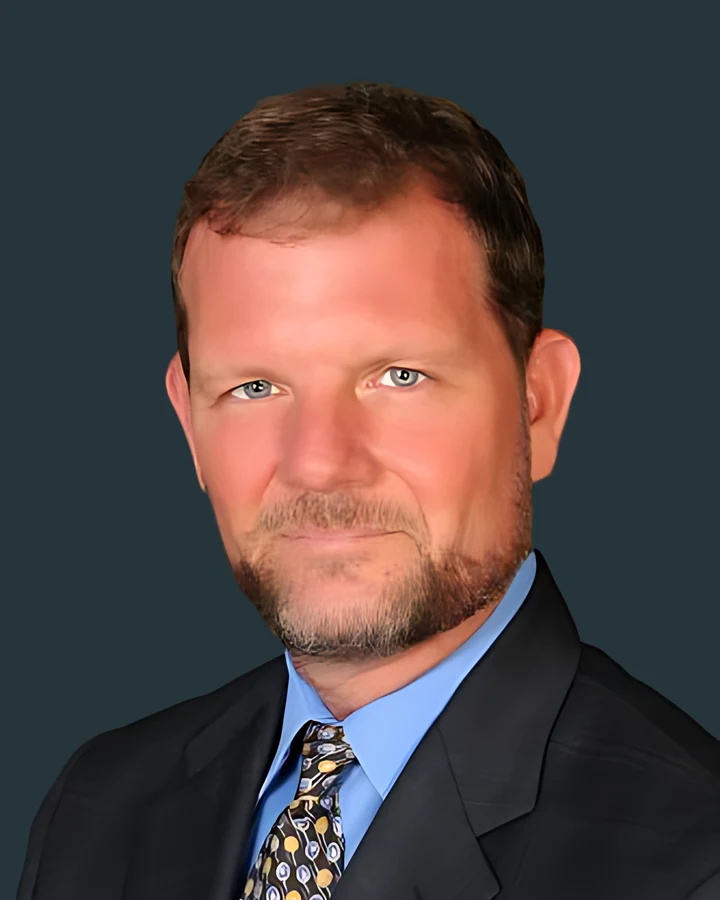
Richard Bradley Almon
Partner
Fairfax
BS Computer Science · USPTO reg.

Patent Office Trials
Post-grant proceedings changed the economics of patent disputes. A well-built petition can resolve in eighteen months what district court litigation would spend five years and several million dollars reaching — and a well-built patent can survive one.
We handle inter partes review, post-grant review, and reexamination as petitioner and as patent owner. The two roles demand opposite instincts, and we practice both: the prior-art search and claim-charting discipline that makes a petition institutable, and the amendment, antedating and secondary-considerations strategy that keeps claims alive.
Post-grant work sits exactly at the intersection of prosecution and litigation, which is where this firm already lives. Our PTAB team includes attorneys who prosecuted patents in the same technology and attorneys who have tried patent cases. So a petition is written knowing how a file history will read to a panel, and a patent owner response is written knowing what those same words will do to the claims afterwards in district court.
Most petitions that fail, fail at institution, and most of that is decided before anything is filed. It is a search problem and an editing problem: finding art that actually teaches the limitation rather than gesturing at it, and then presenting a small number of grounds properly instead of a large number thinly. Panels notice the difference immediately.
For a patent owner the goal is rarely just survival — it is survival with claims still worth asserting. Every amendment narrows something, every argument creates estoppel, and both follow the patent into the next proceeding and into any parallel district court case. We take those positions with the downstream record in view, because the cheapest way to win an IPR is sometimes the most expensive thing you can do to a portfolio.
When both are live, they are one strategy: stay practice, the estoppel consequences of §315(e), how a claim construction taken in one forum reads in the other, and the timing questions that decide whether a district court case waits. Splitting that between two firms is where positions quietly start to contradict each other.
Team
Partner
Fairfax
BS Computer Science · USPTO reg.
Partner
San Jose
BS Electrical Engineering · USPTO reg.

Partner
San Jose
BS Systems Engineering · USPTO reg.
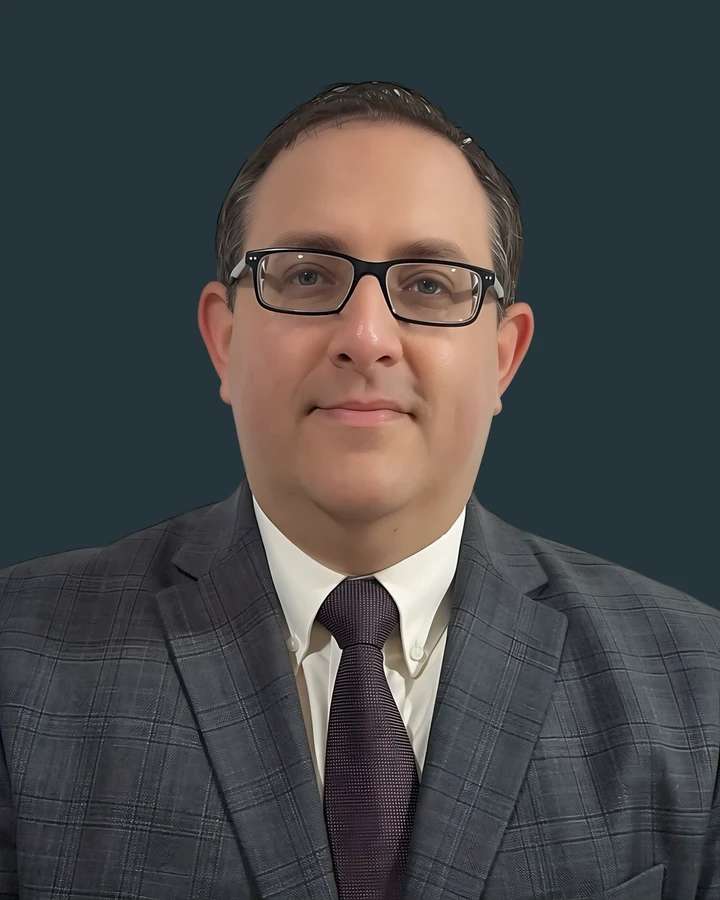
Associate
Cleveland
BS Biomedical Engineering · USPTO reg.