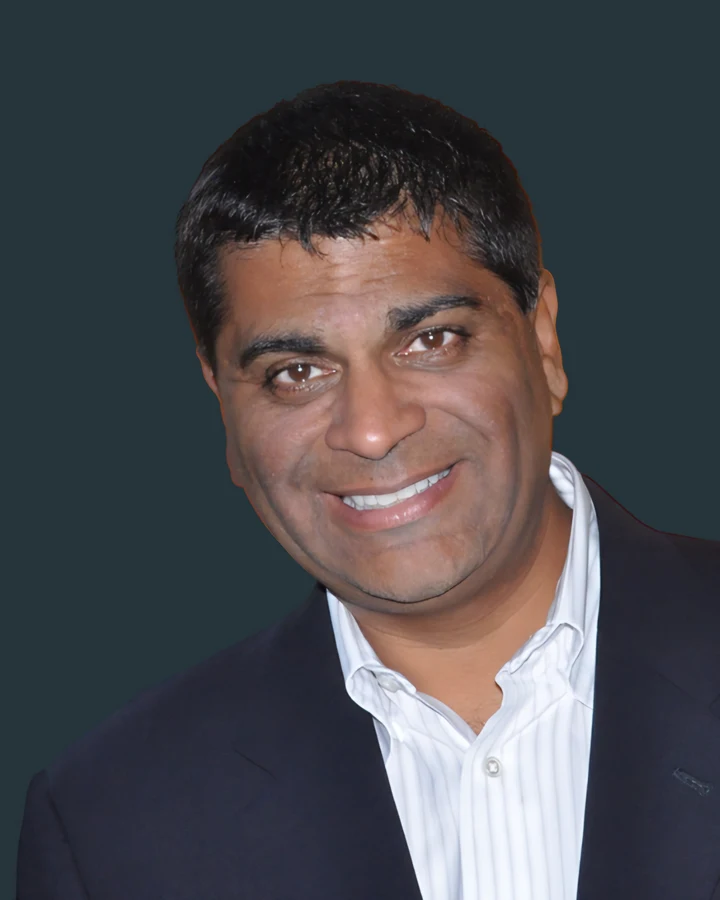
Himanshu S. Amin
Managing Partner
Cleveland
BS Electrical Engineering · USPTO reg.

AI & Machine Learning
Machine learning applications sit on the sharpest edge of both eligibility and enablement. A claim to "a neural network that predicts X" is a claim to a result. What survives is a claim to the architecture, the training regime, or the systems engineering that made the result reachable.
We work on model architectures and training methods, data pipeline and labeling infrastructure, inference and accelerator systems, computer vision, natural language and speech processing, and the applied machine learning inside medical and financial products. Where a trained model controls a plant, a robot or a vehicle, the model is claimed here and its use in Industrial Automation, Robotics or Autonomous Vehicles.
This area cuts across the firm's other technical groups rather than sitting beside them: an inference accelerator is a semiconductor matter, a training platform is a distributed systems matter, and a diagnostic model is a medical device matter. We staff it accordingly.
A claim to a model that achieves an outcome is a claim to the outcome, and it will be met with both eligibility and enablement objections. What holds is the architecture, the training regime, the loss formulation, the data-handling step that made the outcome reachable, or the systems engineering that made it affordable at inference time.
This has a practical consequence for how applications are captured. The patentable contribution is frequently something the research team regards as an implementation detail rather than the result they are proud of, which means the intake conversation has to go past the paper abstract.
Written description and enablement are strained by inventions whose behavior emerges from training rather than from design. A specification that describes only the architecture and asserts the result may not enable anything; the disclosure has to reach the training data characteristics, the hyperparameters, and the evaluation that makes the behavior reproducible — while remaining a document the client is willing to publish.
Balancing that against trade secret protection is a strategic decision, and it should be a deliberate one rather than a default.
Evidence
Team
Managing Partner
Cleveland
BS Electrical Engineering · USPTO reg.
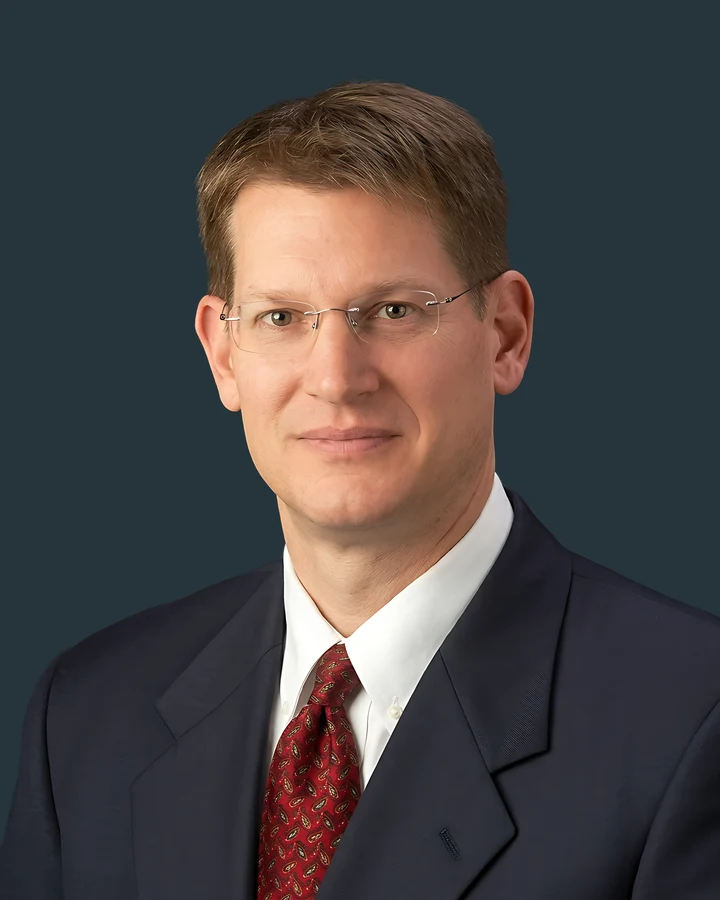
Managing Partner
Cleveland
MS Organic Chemistry · USPTO reg.
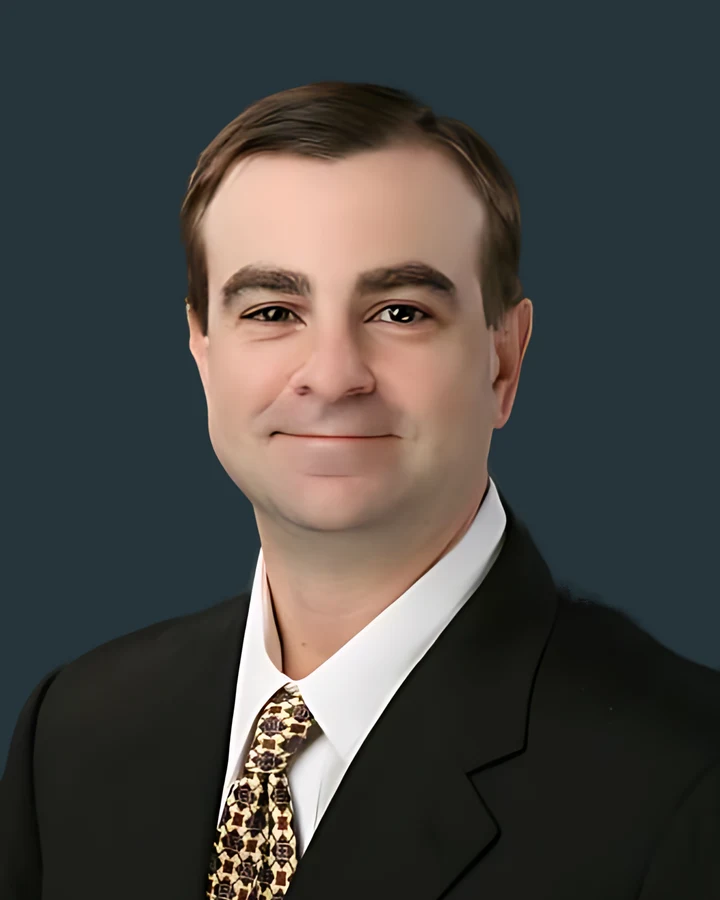
Managing Partner
Seattle
BS Electrical Engineering · USPTO reg.
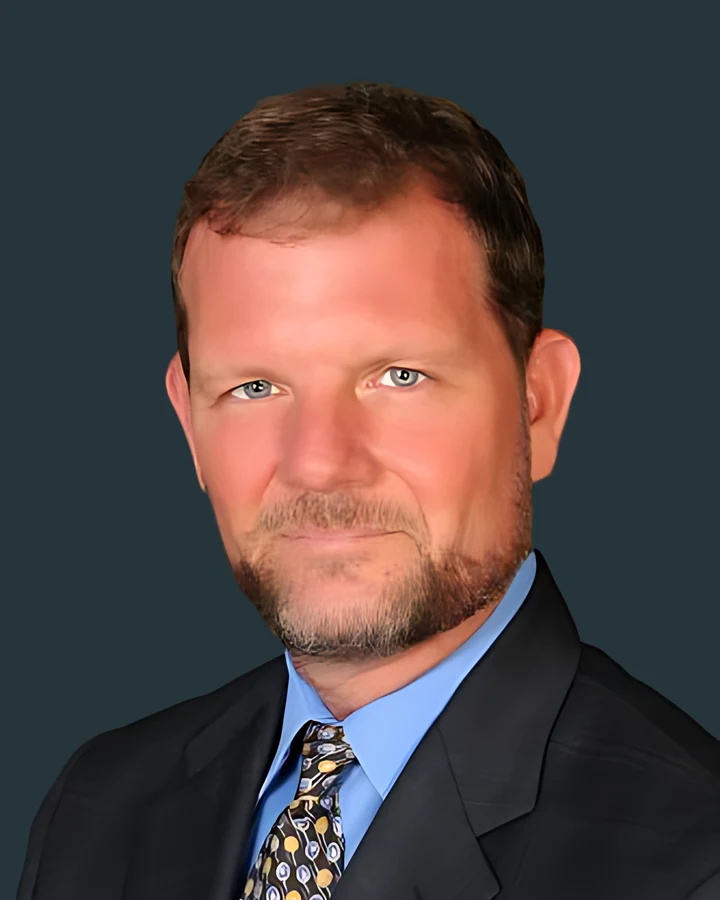
Partner
Fairfax
BS Computer Science · USPTO reg.
Partner
Las Vegas
BS Electrical Engineering · USPTO reg.
Partner
San Jose
BS Electrical Engineering · USPTO reg.

Partner
Ft. Lauderdale
BS Molecular and Micro Biology · USPTO reg.
Partner
Seattle
BS Physics · USPTO reg.
Partner
Cleveland
BS Electrical Engineering · USPTO reg.

Partner
San Jose
BS Systems Engineering · USPTO reg.
Partner
Atlanta
BS Electrical Engineering · USPTO reg.
Associate
Atlanta
Associate
Cleveland
BS Biomedical Engineering · USPTO reg.
Associate
Cleveland
MS Computer Science
Associate
Seattle
BS Electrical Engineering · USPTO reg.
Associate
Seattle
BS Chemical Engineering
Associate
Cleveland
BS Industrial & Systems Engineering · USPTO reg.

Associate
Cleveland
BS Computer Engineering · USPTO reg.
Patent Agent
Ft. Lauderdale
BS Computer Software/Hardware Engineering · USPTO reg.
Patent Agent
New York
BS Mathematics and Computer Science
Patent Agent
Columbus
BS Electrical Engineering · USPTO reg.