
Himanshu S. Amin
Managing Partner
Cleveland
BS Electrical Engineering · USPTO reg.

Industrial Automation
Much of what is patentable in industrial automation is now software: the environment a control project is engineered in, the pipeline that carries plant data to the cloud, the digital twin that stands in for a process before it runs. Claimed as information gathered, analyzed and displayed, that software draws the same eligibility rejection as any other. Claimed through a specific change in how a controller, a safety system or a running process operates, it is a claim to an improved machine, and that is the ground on which eligibility is argued.
We draft and prosecute patent applications across industrial control and the systems built around it: industrial controllers and the way they store and exchange data, the design environments in which automation projects are engineered, edited and shared among developers, digital twins and the simulation of industrial processes, and the pipelines that move plant data from edge devices to cloud analytics. The same work reaches functional safety and emergency-stop systems, operator interfaces and dashboards, adaptive control and controller tuning, equipment diagnostics and maintenance, and the connections between the plant floor and manufacturing execution, distributed control and enterprise resource planning systems.
This work shares its eligibility discipline with Software & Computing, and it is an area of its own because its claims are anchored in controllers and the processes they run rather than in general-purpose computing. The boundaries follow what is being controlled: manipulators and robot control are handled in Robotics, vehicle guidance in Autonomous Vehicles, and the mechanisms and machine tools themselves in Mechanical & Materials. Where a controller or design environment uses a trained model, the model architecture belongs to AI & Machine Learning and the control system around it belongs here; the security of control networks and devices is handled in Cybersecurity.
Many automation inventions are about data: acquiring it from separate device subsystems on a common time base, giving it context, transforming it for the system that will consume it, and presenting it on a dashboard or in the cloud. A claim that stops at collecting, analyzing and displaying information matches the pattern the Federal Circuit held abstract in Electric Power Group, and data from a plant is not exempt because it came from a machine.
A physical step added at the end does not cure that. Diehr and Flook, both process-control cases, mark the line: Diehr upheld a rubber-curing process in which a computer repeatedly recalculated the cure time and opened the press, and Flook rejected a method whose only new element was the formula for updating an alarm limit, even though the limit governed a running chemical process. What holds is a claim in which the control step is where the invention does its work, or one that improves how the controller or its network itself operates, such as keeping data consistent in controller memory. The specification has to present the invention that way from the start, because an examiner will not supply it.
Collaborative editing, version control, rollback to a milestone, synchronized text and graphical views of the same program: an examiner can usually find each of these in general software engineering and will argue that applying it to an automation project was obvious. After KSR, a predictable use of a known technique in a neighboring field is likely to be held obvious, and that is the rejection a design-environment application should expect.
The answer lies in what makes a control project different from ordinary source code. The program is bound to physical I/O and to a particular controller, it may be edited while that controller is running a process, and returning it to an earlier state may have to account for the hardware as well as the text. A specification that sets out those constraints, with claims that recite the step meeting them, gives the examiner a reason the general technique does not simply transfer; an application that describes the tool only as software gives that argument nothing to stand on.
Evidence
Team
Managing Partner
Cleveland
BS Electrical Engineering · USPTO reg.
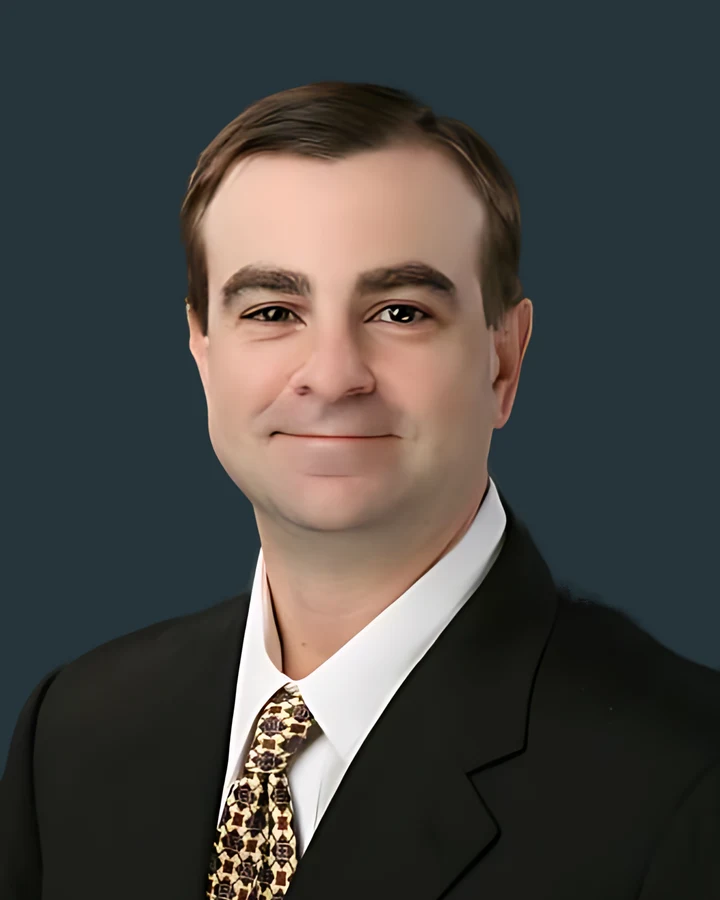
Managing Partner
Seattle
BS Electrical Engineering · USPTO reg.

Partner
Ft. Lauderdale
BS Molecular and Micro Biology · USPTO reg.
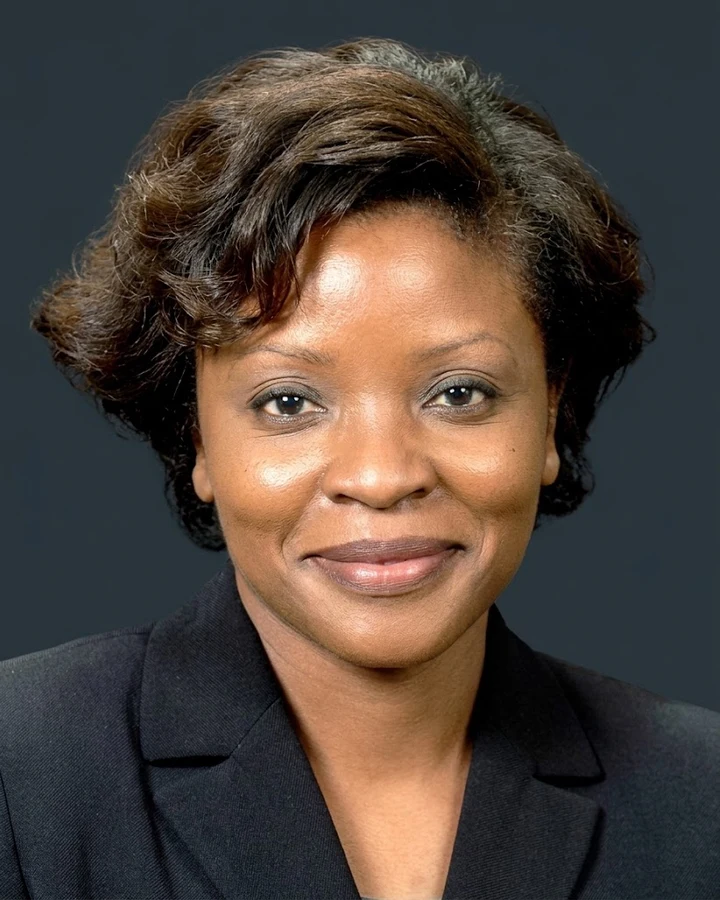
Partner
Atlanta
BS Electrical Engineering · USPTO reg.

Associate
Atlanta
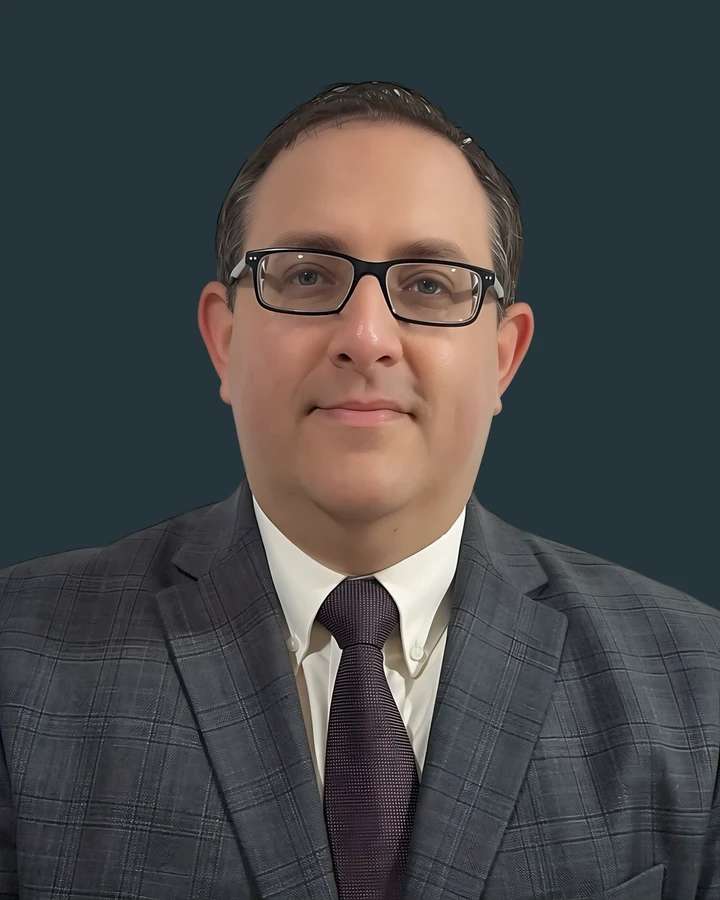
Associate
Cleveland
BS Biomedical Engineering · USPTO reg.

Associate
Cleveland
BS Industrial & Systems Engineering · USPTO reg.
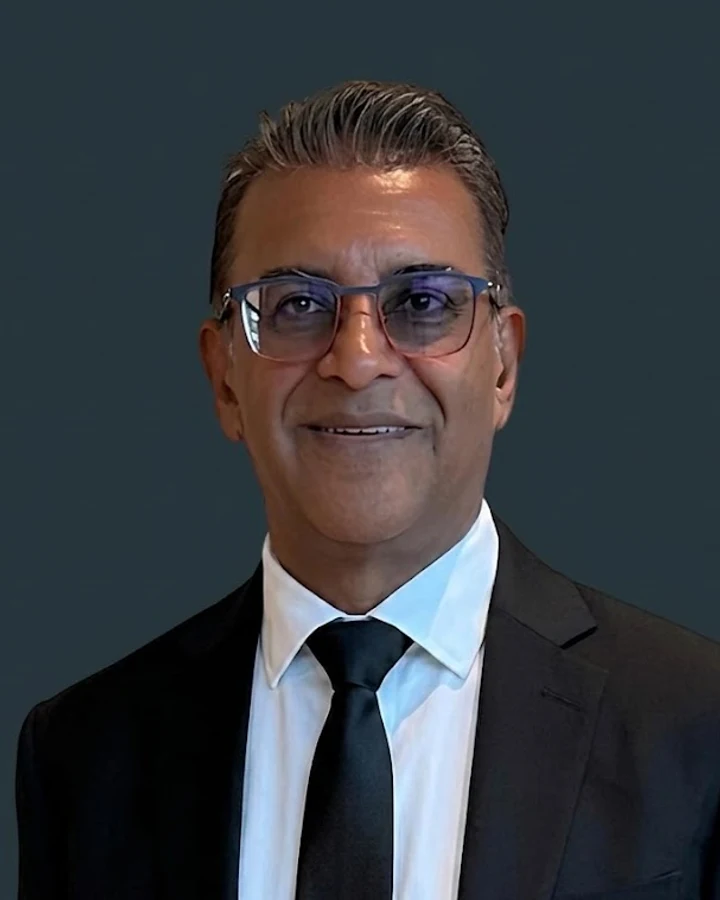
Patent Agent
Ft. Lauderdale
BS Computer Software/Hardware Engineering · USPTO reg.
Patent Agent
New York
BS Mathematics and Computer Science

Patent Agent
Columbus
BS Electrical Engineering · USPTO reg.