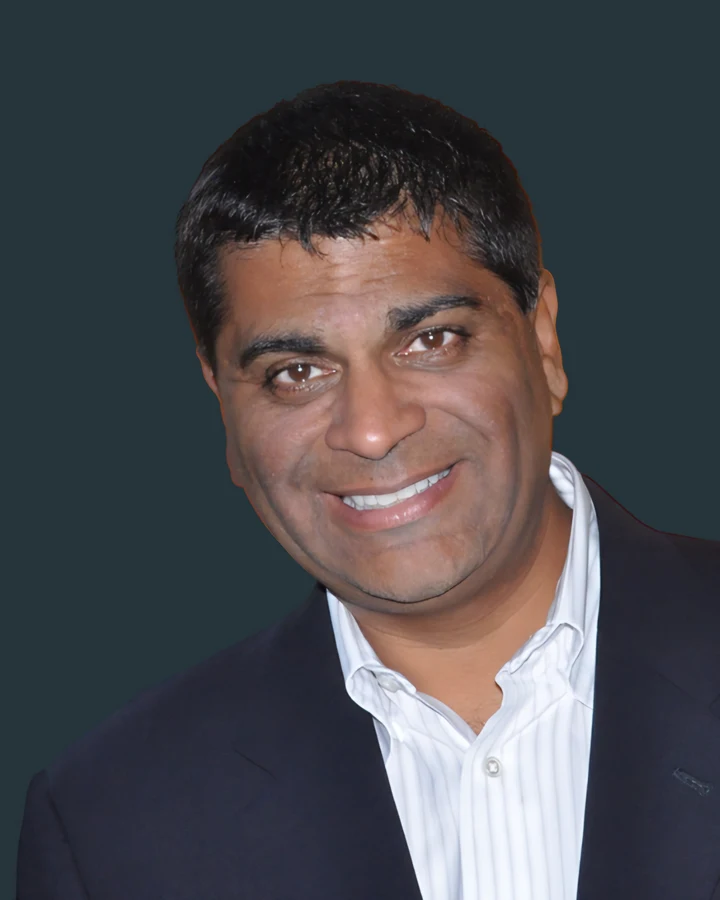
Himanshu S. Amin
Managing Partner
Cleveland
BS Electrical Engineering · USPTO reg.

Quantum Computing
Quantum patents are drafted against hardware that does not yet exist at scale. That makes enablement and written description the whole game — a claim has to reach the machine a client will actually ship years from now without reading on a physics paper published last week.
Quantum computing appears in the practice descriptions of partners, associates and patent agents across the firm — the count is above, and every one of those profiles is filterable in the directory.
We work across the modalities rather than betting on one: superconducting and spin qubits, trapped ions, photonic architectures, and the neutral-atom and topological approaches behind them. Around the qubits sit the patents that often matter more commercially — cryogenic control electronics, readout and calibration, error correction and mitigation, compilers and transpilers, and the classical infrastructure that schedules the whole stack.
Two problems recur. Claim scope has to survive a modality shift, because a portfolio written tightly around one qubit technology is worth very little if the client's roadmap moves. And quantum algorithms draw Section 101 scrutiny in exactly the way software does, which means the specification has to frame a concrete improvement to the machine rather than a mathematical result. Both are drafting decisions made years before anyone tests them.
A quantum portfolio written tightly around superconducting transmons is worth a fraction of its cost if the client's roadmap moves to trapped ions or neutral atoms. The discipline is to identify what is genuinely modality-independent — the control scheme, the error-correction code, the calibration routine, the compiler pass — and claim at that level, then use dependent claims and continuations to reach the specific physical implementation.
That is not a hedge. It reflects where the commercial value in this field is actually accumulating: not in the qubit itself but in everything required to make a large number of them useful at once.
A quantum algorithm looks, to an examiner applying Alice, a great deal like mathematics. The specification has to do the work of framing a concrete improvement to the operation of a machine — fewer gate operations, shorter coherence requirements, a measurable reduction in circuit depth — rather than presenting a result about complexity classes.
It is a frequent reason quantum applications receive eligibility rejections, and it is almost entirely determined at drafting time. By the time the rejection arrives, the specification either supports the argument or it does not.
Evidence
Team
Managing Partner
Cleveland
BS Electrical Engineering · USPTO reg.
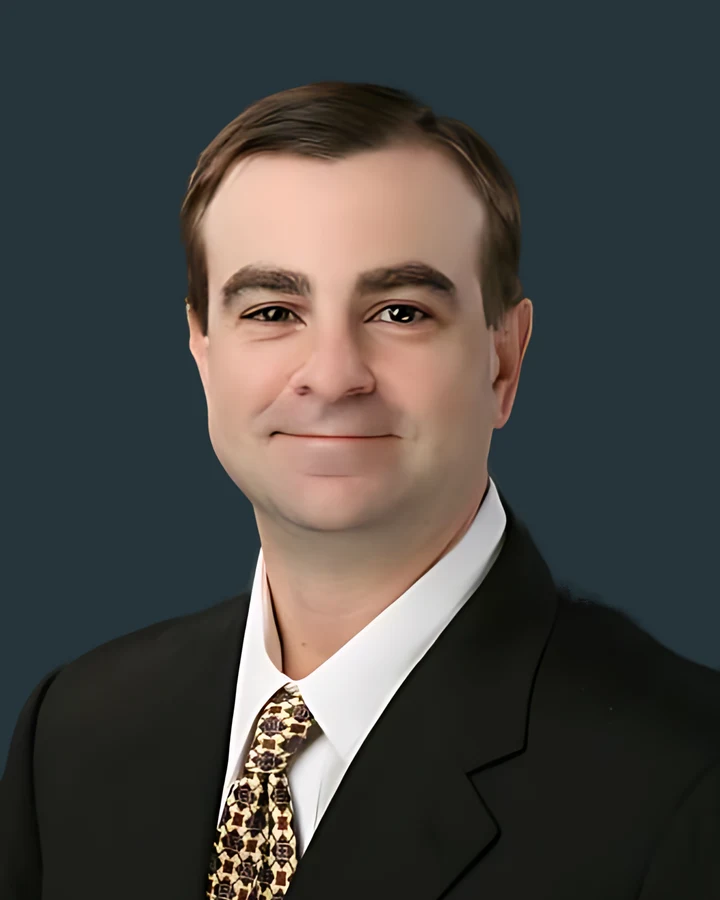
Managing Partner
Seattle
BS Electrical Engineering · USPTO reg.
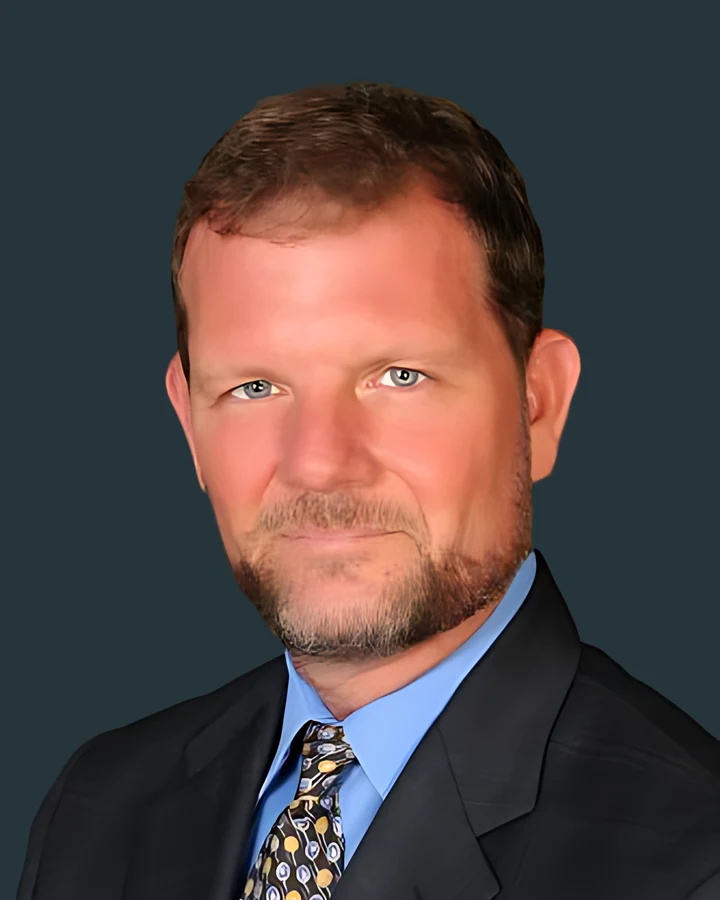
Partner
Fairfax
BS Computer Science · USPTO reg.
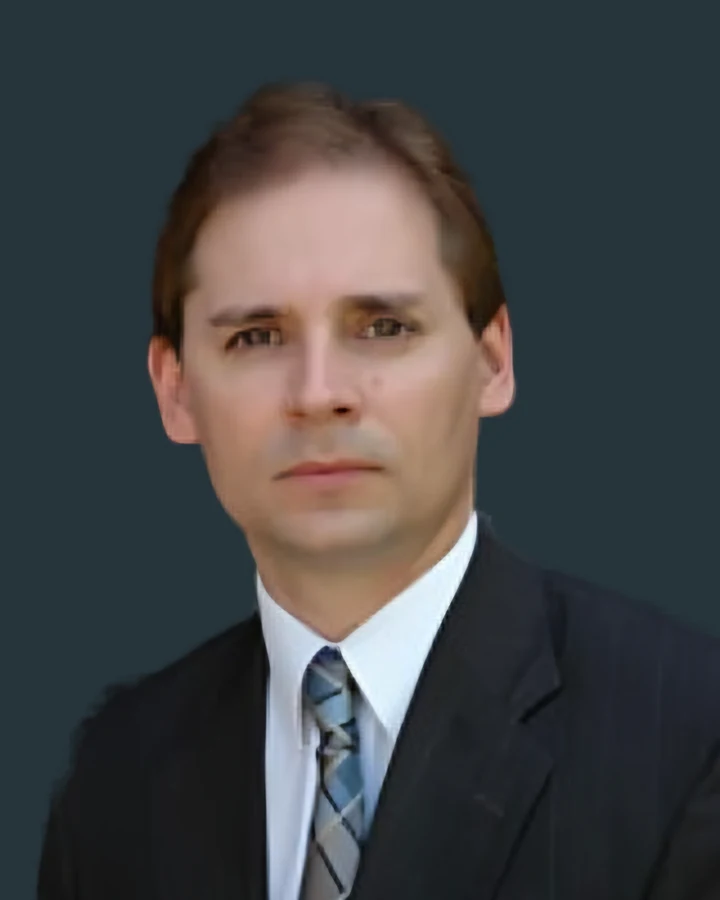
Partner
Las Vegas
BS Electrical Engineering · USPTO reg.
Partner
San Jose
BS Electrical Engineering · USPTO reg.

Partner
Ft. Lauderdale
BS Molecular and Micro Biology · USPTO reg.
Partner
Seattle
BS Physics · USPTO reg.
Partner
Cleveland
BS Electrical Engineering · USPTO reg.

Partner
San Jose
BS Systems Engineering · USPTO reg.
Partner
Atlanta
BS Electrical Engineering · USPTO reg.

Associate
Atlanta
Associate
Cleveland
BS Biomedical Engineering · USPTO reg.
Associate
Cleveland
MS Computer Science
Associate
Cleveland
BS Computer Engineering · USPTO reg.
Patent Agent
Ft. Lauderdale
BS Computer Software/Hardware Engineering · USPTO reg.

Patent Agent
New York
BS Mathematics and Computer Science
Patent Agent
Columbus
BS Electrical Engineering · USPTO reg.